
All for the Kingdom
Sermon Podcast


Kingdom Warnings, Mark 9:38-50
Jesus gives sobering warnings in Mark 9:38–50. Do not hinder those whom God is using. Do not cause little ones to stumble. Do not let anything in this world draw you into sin.
This sermon considers the seriousness of sin, the reality of hell, and the call for God’s people to live as salt in the world.

Obey the King, Matthew 21:28-32
In the parable of the two sons, Jesus exposes the danger of saying the right thing while refusing to obey. The issue is not religious appearance, but whether the heart is truly submitted to God.
This sermon from Matthew 21:28–32 calls sinners away from empty words and toward faithful obedience to the King.

Entering the Kingdom, Matthew 18:1-4
The disciples wanted to know who would be greatest in the kingdom of heaven. Jesus answered by placing a child before them and teaching that unless they turned and became like children, they would never enter the kingdom.
This sermon from Matthew 18:1–4 considers the necessity of humble repentance. Before asking who is great in the kingdom, every sinner must ask whether he has entered the kingdom through Christ.

The Law Fulfilled, Matthew 5:17-20
Jesus did not come to abolish the Law and the Prophets, but to fulfill them. In Matthew 5:17–20, Jesus teaches that God’s kingdom, God’s Word, and God’s righteous standard stand forever.
This sermon considers the perfection required to enter the kingdom of heaven and the good news that Jesus fulfills the law’s demands for all who are saved by Him.

Repent for the Kingdom is Near, Matthew 4:17
When Jesus began to preach, His message was clear: “Repent, for the kingdom of heaven is at hand.” The coming of the kingdom is good news, but it is also a summons. The King has come, and sinners are called to turn from sin and self and submit to His righteous rule.
This sermon from Matthew 4:17 considers repentance as a word of confrontation, action, and truth. The warning is urgent, the way of salvation is singular, and the hope of the gospel remains: repent and be saved.

Endings and Beginnings, 2 Kings 2:1–19
In 2 Kings 2:1–19, Elijah’s ministry comes to an end and Elisha’s begins. Yet the work of God does not end with Elijah. The Lord is eternal, His Word remains unchanged, and His kingdom continues from one generation to the next.
This sermon calls the church to prepare faithfully for endings and beginnings. All men come to an end, each generation must invest in the next, and God’s people must affirm faithful calling and service for the ongoing witness of the gospel.
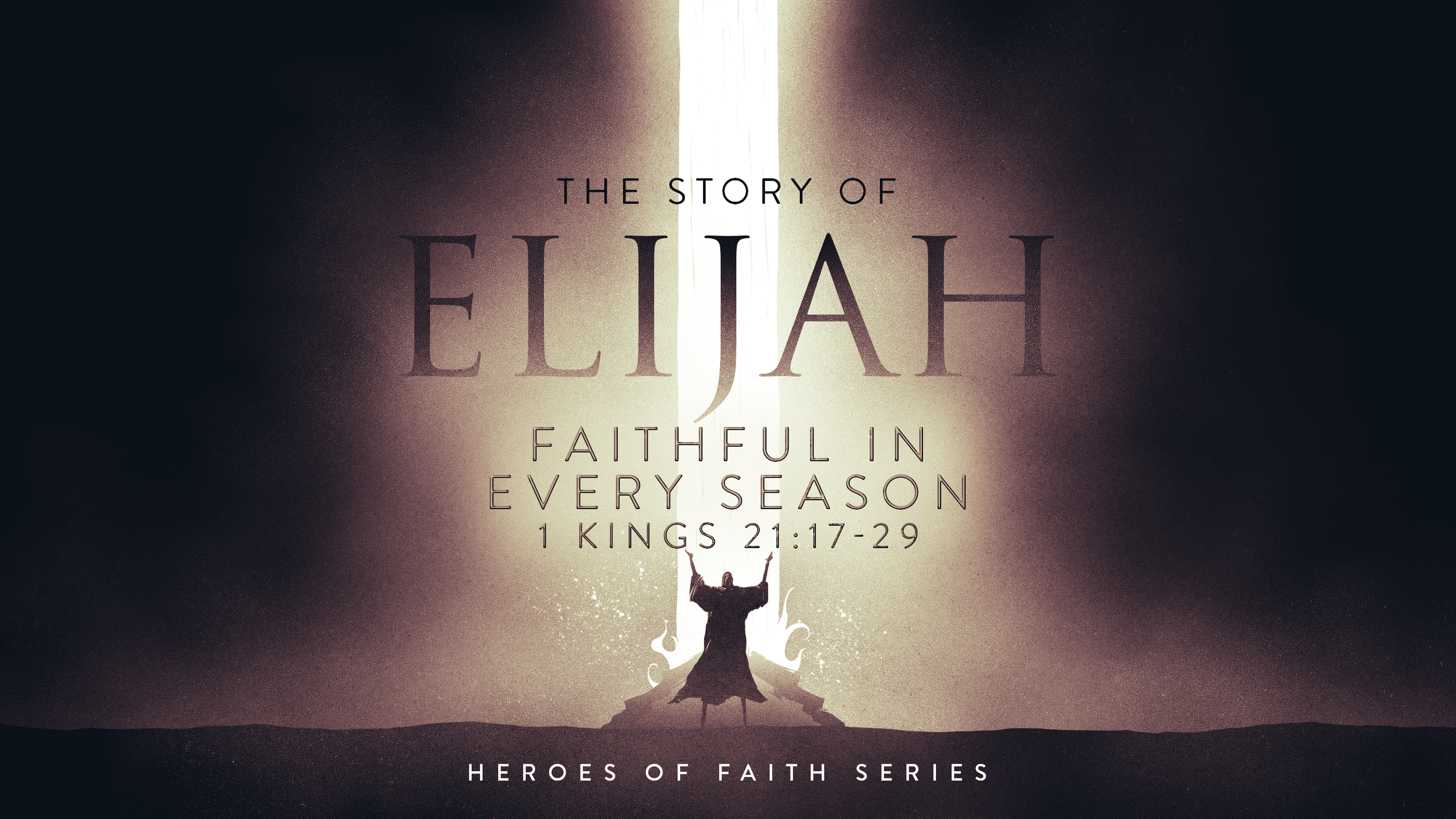
Faithful in Every Season, 1 Kings 21:17–29
When Ahab took possession of Naboth’s vineyard, he may have thought the matter was settled. But God saw the murder, the theft, the excuses, and the rebellion. The Lord sent Elijah to speak plainly: Ahab had murdered and taken possession.
In this sermon from 1 Kings 21:17–29, Ben Smith shows why God’s people must be faithful to speak truth in every season. Biblical confrontation is not rooted in anger or malice, but in love, compassion, and the desire that sinners would repent and be restored to the Lord.

Holy Worship, Genesis 8:20–22
Noah stepped off the ark into a changed world marked by judgment and grace. His first act was worship—an altar built to the God who saves. Genesis 8:20–22 shows that true worship arises when we remember God, acknowledge our sin, and rest in His sovereign grace. This message calls believers to offer their lives wholly to Him.
Repent and Be Saved, Genesis 7
The ark stood as both hope and warning. Repent and believe while the door of grace remains open.
Trust and Obey, Genesis 6:9-22
Noah’s obedience flowed from a heart transformed by God’s grace. In a world shaped by self-autonomy, this message calls believers back to the joy of trusting and obeying the Lord.
The Depravity of Man, Genesis 6:1-8
In Genesis 6:1–8, The Depravity of Man examines humanity’s sin, God’s judgment, and the undeserved, initiating grace that saves. Learn how Noah and Enoch lived righteously, preached faithfully, and trusted God’s grace in a corrupt world.

Give Thanks, Psalm 106
In this message from Psalm 106, learn how confession, reflection on God’s faithfulness, and a God-centered perspective shape genuine, lasting thanksgiving.

Purposeless Prosperity, Genesis 4:17-24
Cain’s descendants built cities, developed culture, advanced technology, and prospered in ways the world would applaud—yet they lived every moment outside the presence of God. Their story reminds us that success without God is not success at all. Prosperity apart from Him may look impressive, but it cannot satisfy, it cannot save, and it cannot endure. In this episode, we explore how the busyness of building for nothing and the foolish confidence of worldly achievement can silently pull our hearts away from what matters most—and why true purpose is found only in a relationship with Christ.
Sin’s Ruinous Rule, Genesis 4:8-16
In “Sin’s Ruinous Rule” (Genesis 4:8–16), Pastor Ben Smith examines Cain’s tragic story to reveal three warning signs of sin’s growing destruction—its mastery, its blindness, and its judgment—while calling believers to repentance and the redeeming grace found only in Jesus Christ.

Right with God, Genesis 4:1-7
In Right with God (Genesis 4:1–7), Pastor Ben Smith contrasts the offerings of Cain and Abel to reveal that true acceptance with God comes only through obedience, faith, and submission to His will. This sermon challenges today’s culture of self-worship and calls believers to honor God through a worthy offering and wholehearted surrender to Christ.

Confess and Pray, James 5:12-20
From the archives. Originally preached in September 2020, this sermon is from James 5:12-20, titled “Confess and pray.”


Faithful Endurance, 2 Thessalonians 3:13-15
The cost of faithful obedience does not negate the worthiness and value of Scripture’s commands. The difficulty or unpleasantness of a task does not mean that the task is unnecessary or a worthless pursuit.
Church discipline is hard, relationally taxing, and requires significant attention and energy from the church. This level of investment and cost was causing the Thessalonian church to grow weary, and some were surely tempted to give up or give in. In our day, many church members are weary from the excessive commitments they have made outside of the church. This leads them to be unprepared and with little tolerance or energy for the mental attention, emotional fortitude, and spiritual determination required for church discipline. Additionally, our culture places great importance on preserving the individual’s self-esteem, emotional stability, and autonomy. Any attempt to express judgment towards an individual is countercultural and generally rejected. The church is not immune to these cultural forces and is often tempted to compromise biblical fidelity for the sake of cultural acceptance.
In this passage, Paul pleads with the church to faithfully endure in church discipline, regardless of how difficult the task may be.

True Treasure, James 5:1-6
From the archives. Originally preached in September 2020.
What is your true treasure? Is it God's truth and God's glory or worldly pleasures and comforts? James 5:1-6 gives the church three warnings related to wealth.

Draw Near to God, James 4:1-10
From the archives. Originally preached in September 2020.
In this passage, James identifies the cause of conflict in the church and the resulting broken relationship with God and gives a clear solution – draw near to God through repentance.