
All for the Kingdom
Sermon Podcast

Knowing Truth From Lies, 1 Kings 18:20-46
We live in a world where truth is often overshadowed by personal belief and cultural pressure. In 1 Kings 18, Elijah confronts that confusion head-on, calling God’s people to stop wavering and to recognize the one true God.
Through the dramatic events on Mount Carmel, this sermon reminds us that sincerity cannot make lies true, and that when God reveals Himself, we are called to respond with repentance, obedience, and faithful worship.
Saved by His Resurrection, 1 Peter 3:18–22
When the world appears strong and the church appears weak, it can be difficult to see how God is working. Yet Scripture reminds us that what looks like defeat is often the very place of God’s victory.
In this message from 1 Peter 3:18–22, we are called to fix our eyes on the risen Christ. His suffering accomplished our salvation, His proclamation declared His triumph, and His resurrection assures us that He reigns now and forever.
Ransomed by His Blood, 1 Peter 1:17–21
What does it mean to be ransomed by God? In 1 Peter 1:17–21, we are reminded that our redemption was not purchased with silver or gold, but with the precious blood of Christ. This truth reshapes how we live, how we hope, and how we approach God.
Because the ransom has been paid, believers can live with confidence—not in themselves, but in the finished work of Christ, the eternal will of God, and the hope secured through the resurrection.
Righteously Responding to Sin, Genesis 9:18–29
How you respond to sin reveals your heart toward God. Genesis 9:18–29 shows that even the most faithful can fall, but the greater issue is how we respond when sin is exposed.
This sermon calls believers to recognize the danger and shame of sin while resting in the grace that sustains and preserves God’s people.

Amazing Grace, Genesis 9:1–17
After the flood, God spoke to Noah and established a covenant that would shape the future of the world. In Genesis 9:1–17, God reveals His grace through the fulfillment of His eternal will, the provision of His law, and the patience of His covenant promise.
Even in a world still corrupted by sin, the rainbow stands as a reminder that God’s grace continues to restrain judgment and provide hope.
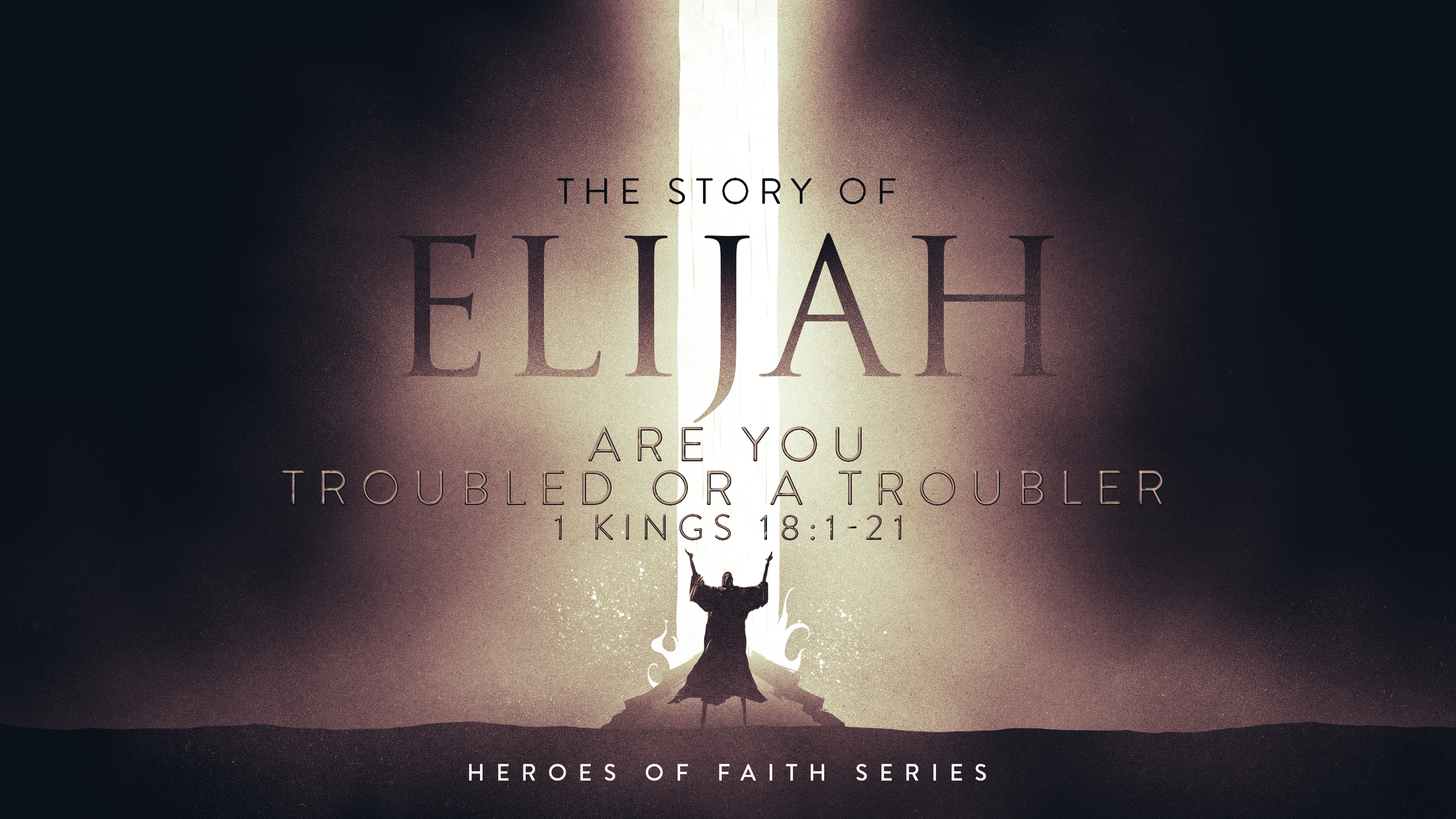
Are You Troubled or a Troubler? 1 Kings 18:1–21
When the truth of God confronts us, it always demands a response. We will either be troubled by it or transformed by it. In 1 Kings 18, Ahab blames Elijah for Israel’s suffering, yet the real problem is his own rebellion against God.
This sermon calls you to examine your heart and choose: will you resist the truth, or will you stand firmly on it, even when it costs you?
Holy Worship, Genesis 8:20–22
Noah stepped off the ark into a changed world marked by judgment and grace. His first act was worship—an altar built to the God who saves. Genesis 8:20–22 shows that true worship arises when we remember God, acknowledge our sin, and rest in His sovereign grace. This message calls believers to offer their lives wholly to Him.

Great is thy Faithfulness, Genesis 8:1-19
In Genesis 8, Noah spends more than a year in the ark with no visible sign that life will ever return to normal. Yet Scripture shows us that even when God seems silent, He is never absent. God remembers His people, encourages them with signs of His grace, and speaks His word to declare new beginnings. This message invites believers to trust the unwavering faithfulness of God in every season.
Repent and Be Saved, Genesis 7
The ark stood as both hope and warning. Repent and believe while the door of grace remains open.
Trust and Obey, Genesis 6:9-22
Noah’s obedience flowed from a heart transformed by God’s grace. In a world shaped by self-autonomy, this message calls believers back to the joy of trusting and obeying the Lord.
The Depravity of Man, Genesis 6:1-8
In Genesis 6:1–8, The Depravity of Man examines humanity’s sin, God’s judgment, and the undeserved, initiating grace that saves. Learn how Noah and Enoch lived righteously, preached faithfully, and trusted God’s grace in a corrupt world.

Call On The Name Of The Lord, Genesis 4:25-5:32
In Call on the Name of the Lord (Genesis 4:25–5:32), Pastor Ben Smith shows how God preserves a faithful remnant even as the world grows increasingly rebellious. While Cain’s line multiplied in power and influence, God quietly carried His redemptive promise through Seth’s line—those who called upon the name of the Lord. This sermon encourages believers that God’s will cannot be thwarted, His promises never fail, and He always knows and keeps those who belong to Him.

Give Thanks, Psalm 106
In this message from Psalm 106, learn how confession, reflection on God’s faithfulness, and a God-centered perspective shape genuine, lasting thanksgiving.

Purposeless Prosperity, Genesis 4:17-24
Cain’s descendants built cities, developed culture, advanced technology, and prospered in ways the world would applaud—yet they lived every moment outside the presence of God. Their story reminds us that success without God is not success at all. Prosperity apart from Him may look impressive, but it cannot satisfy, it cannot save, and it cannot endure. In this episode, we explore how the busyness of building for nothing and the foolish confidence of worldly achievement can silently pull our hearts away from what matters most—and why true purpose is found only in a relationship with Christ.
Sin’s Ruinous Rule, Genesis 4:8-16
In “Sin’s Ruinous Rule” (Genesis 4:8–16), Pastor Ben Smith examines Cain’s tragic story to reveal three warning signs of sin’s growing destruction—its mastery, its blindness, and its judgment—while calling believers to repentance and the redeeming grace found only in Jesus Christ.

Right with God, Genesis 4:1-7
In Right with God (Genesis 4:1–7), Pastor Ben Smith contrasts the offerings of Cain and Abel to reveal that true acceptance with God comes only through obedience, faith, and submission to His will. This sermon challenges today’s culture of self-worship and calls believers to honor God through a worthy offering and wholehearted surrender to Christ.

Death for Life, Genesis 3:20-24
In Death for Life, Pastor Ben Smith, Sr. explores Genesis 3:20–24, showing how God’s first act of redemption in Eden points to Christ’s death and substitutionary sacrifice. Discover how faith, a righteous sacrifice, and God’s grace bring true life.
Curse of Sin, Genesis 3:8-19
Genesis 3:8–19 reveals the far-reaching consequences of sin. Pastor Ben Smith explains how sin breaks fellowship, disrupts cooperation, and distorts purpose, bringing guilt, pain, and death. Yet even in this dark moment, God gives a promise of hope through Christ, who conquers sin and restores what was lost.

Fall of Man, Genesis 2:25-3:7
Genesis 3 is a pivotal moment in Scripture when Adam and Eve chose to believe the lies of Satan rather than trust the will of God. Satan's work has always been to draw us away from God—through doubt, half-truths, and deception. Adam and Eve's choice in the garden was not just their story; it's ours too. As Romans 3:23 reminds us, "all have sinned and fall short of the glory of God."
To understand our own sin, we must first understand the first sin. What does their rebellion teach us about the danger of Satan's lies? At the heart of every temptation is an invitation to reject God and trust the deceiver instead of the Creator. This text teaches three vital lessons: the need to trust God's wisdom, trust His word, and trust His design.

Church Discipline, 2 Thessalonians 3:6-12
In this sermon, Pastor Ben Smith expositionally preaches from 2 Thessalonians 3:6-12, addressing the critical issues of the sin of idleness and the often-abandoned practice of church discipline. He emphasizes that sin is a serious threat to individual Christians and the church, rightly understood as rebellion against God's lordship. The sermon highlights that faithful labor is submission to God, contrasting it with sinful idleness. The sermon also outlines three basic principles of church discipline: it is an action of the church, a direct confrontation of sin, and is fundamentally gospel-driven. Listeners will understand why the church must obey Christ's commands, even when they are countercultural, to affirm the gospel, combat sin, and rescue wayward members.