


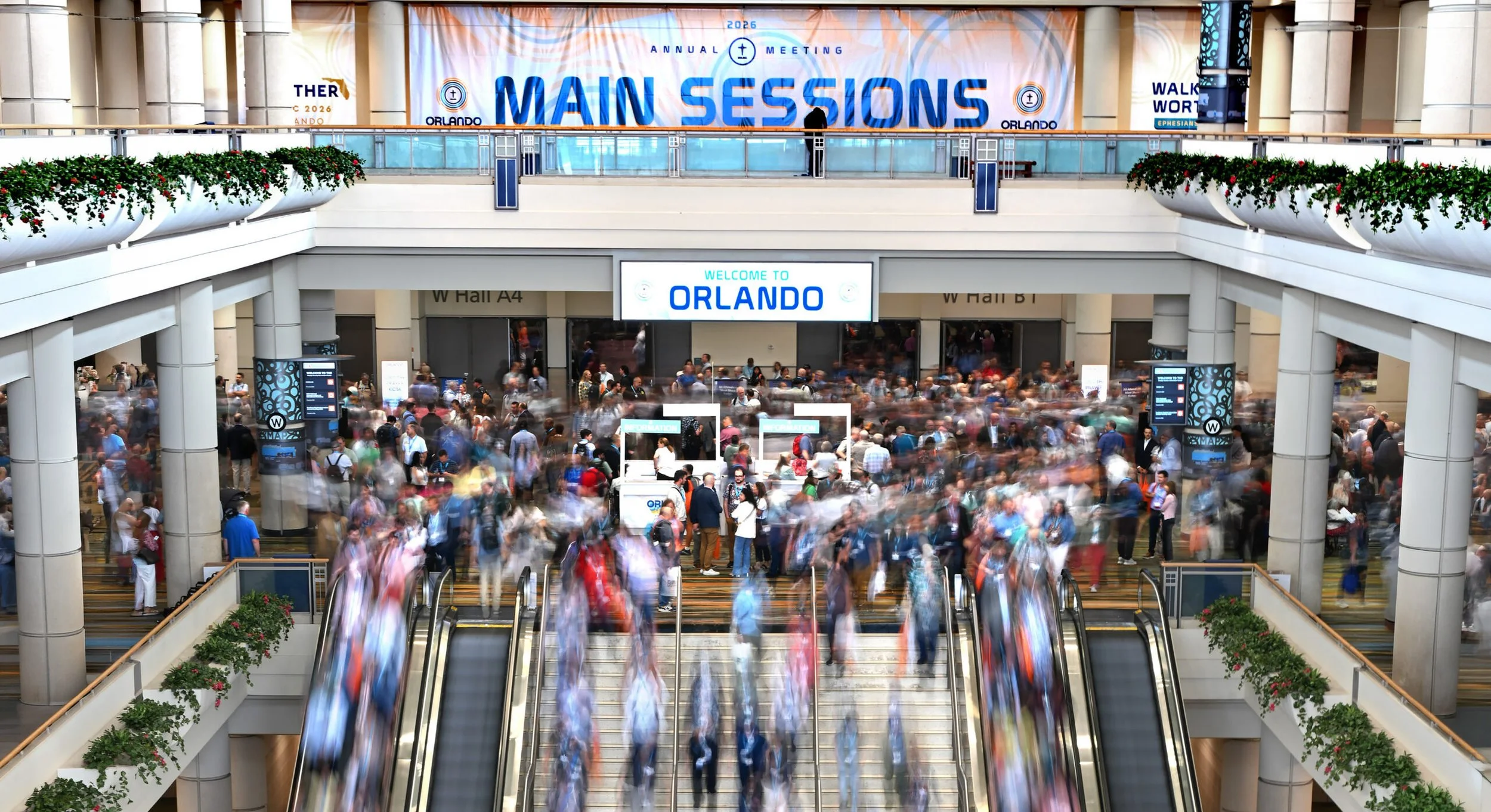
Four Reflections on the 2026 Southern Baptist Convention
The 2026 Southern Baptist Convention Annual Meeting in Orlando generated no shortage of commentary, but much of what is said about the SBC is difficult to understand apart from Baptist polity, parliamentary procedure, and the purpose of an annual meeting. The SBC is not a church with authority over local congregations, but a voluntary association of autonomous churches that cooperate together for the sake of gospel work.
In these reflections, I consider what took place in Orlando, why theological and doctrinal clarity remains both healthy and costly, and why the slow deliberation of the SBC should not necessarily discourage us. Though there is energetic debate among Southern Baptists, there are also encouraging signs of faithfulness, seriousness, and renewed attention to biblical ecclesiology.

2023 SBC Annual Meeting Review
Last week, the Southern Baptist Convention held its Annual Meeting. Gathered in New Orleans, LA, nearly 19,000 attended. Of these, 12,737 were registered messengers (similar to delegates) from 4,423 churches. Over the two days of meetings, the messengers worked through a packed schedule that included changes to the Convention's doctrinal statement and a constitutional amendment, among other things. Southern Baptists are unique in that we debate critical issues publicly, with any registered messenger able to speak. This does not always make for flattering soundbites in the news and sometimes leads outside observers to think that we are contentious and in constant conflict. For those who attend the meetings and participate in the decisions, even in greatly debated issues, we generally depart the annual meeting more encouraged in the work and cooperation of the SBC. Below are some of the more significant decisions of the messengers to this year’s annual meeting.

SBC 2022 Annual Meeting Preview
Next week, the Southern Baptist Convention will hold our Annual Meeting. On Tuesday and Wednesday, thousands of Southern Baptists will gather in Anaheim, California, to make decisions concerning the direction of the denomination. To the outside observer, the Annual Meeting of the SBC is often misunderstood. The SBC is unlike other denominations that are governed through hierarchical authority. The SBC is comprised of over 47,000 autonomous churches that have cooperated to advance global and North American missions, theological education, and other related ministries. We voluntarily associate and are bound together by our cooperative support of missions and our adherence to the Baptist Faith and Message 2000, which is our doctrinal statement.
Each cooperating church can send messengers (similar to a delegate) to the Annual Meeting. The ultimate authority and control of the convention rest with the messengers. There are many advantages to this governance structure, not the least of which is that the messengers can act contrary to the denominational leadership when corrective action is needed. However, the messenger model also means that our disagreements, deliberations, and discussions are all done publicly. In a world where many get their news from social media, these open debates often overshadow the actual final decision of the messengers.

Why Mac Brunson Might think we are crazy, and we have never (really) met.
Meeting Mac Brunson at the St. Louis Arch was… awkward. This brief, embarrassing encounter became a family story—and a reminder of how much time, patience, and perspective are needed to truly communicate. In this post, I unpack the humor, the discomfort, and the surprising lessons that come from “meeting” Mac Brunson.